לצפיה באתר בעברית

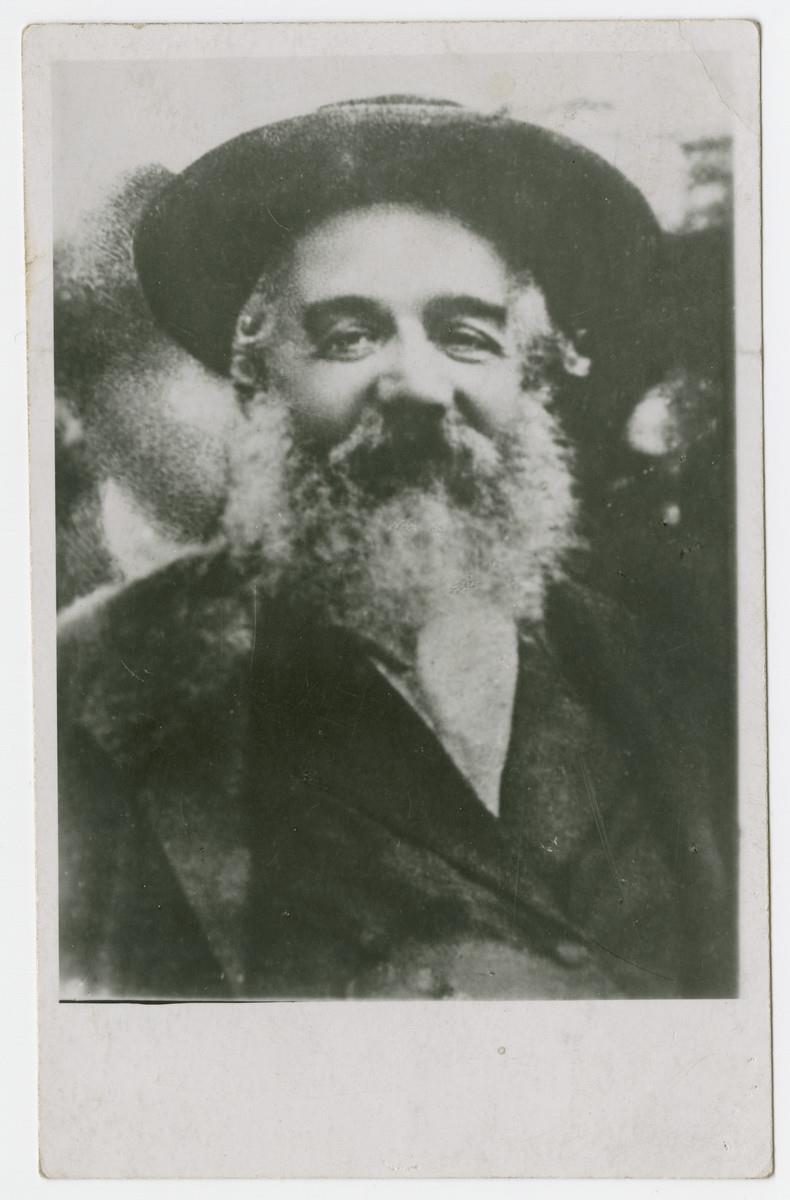
Rav Chaim Elozor Shapira of Munkatch zt"l

הרב חיים אלעזר בן צבי הירש שפירא זצ"ל

Sivan 2 , 5697
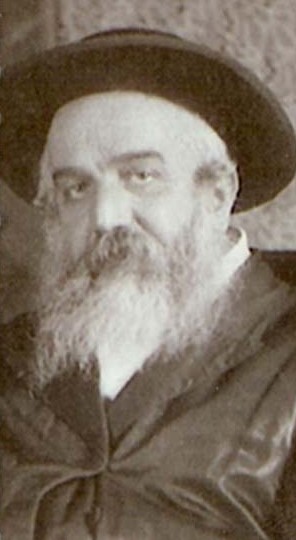
Known As: Minchas Elozor, Munkaczer Rebbe
Father's Name: Tzvi Hirsch Shapira


Rav Chaim Elozor Shapira of Munkatch zt"l

(1872-1937/5632-5697)

Rav Chaim Elozor Shapira was born on Thursday 5 Teves 5632/1872 in Stryzov to Rav Tzvi Hirsch of Munkacsz, author of the Darkei Teshuvah. He was the son of Rav Shlomo founder of the Munkacszer Dynasty who were descendants of Rav Tzvi Elimelech of Dynow the author of Bnei Yissascher.  From his mother's side, he was a descendant of the Ropshitzer.

He was named Elozor after his grandfather Rav Elazar of Lanczut, and when at age three he took ill, the Divrei Chaim of Sanz instructed that the name Chaim be added to aid his recovery.

By age nine his prowess and genius in Torah was evident and he already knew all three tractates of Bava Kama, Metzia and Basra by heart! He was a staunch opponent who fought valiantly against any breaches in the walls of Yiddishkeit especially against the Zionists whom he fought with zeal and self-sacrifice. He was also known as a miracle worker whose tefillos and berachos bore fruit. He established the Munkacszer Yeshivah, Darkei Teshuvah, named after his father Rav Tzvi Hirsch.

At age sixteen, he married the daughter of Rav Shraga Yair of Bialibrazik, who was the son of Reb Noson Duvid Shidlowtzer, a descendant of the Yid Hakadosh -- the holy Jew of Peshischa.

On 16 Tishrei 5674/1914, when his father, the Darkei Teshuva, passed away, his son Rav Chaim Elozor succeeded him as Munkacszer Rebbe.

Each year on 7 Adar, he would make the trip to Kaliv to Rav Aizikel Kalover's tziyun, and to visit the Rav Menachem Brody, author of Be'er Menachem at his yeshivah.

In 5695/1935 he travelled to Eretz Yisroel for a short thirteen-day visit to the mekomos hekedoshim, the holy sites, and to meet Rav Shlomo Eliezer Alfandri.

His final days were marked with ill health and suffering in Budapest.

On the day 2 Sivan 5697/1937, Netzach sh'b'Malchus, the 46th day of the Omer, he passed away and was laid to rest in Munkacsz in the same ohel as his father the Darkei Teshuva and his grandfather the Shem Shlomo.


Stories of Rav Chaim Elozor Shapira of Munkatch zt"l

The Munkaczer Rav, in Divrei Torah (II:35), relates a tradition he received from his holy forebears that once the Apta Rav delayed significantly  in the middle of davening. Afterward, he explained how he had previously taught an explanation of Odom HoRishon’s sin, which expunged his guilt and explained why his error was much less severe because his crime had been committed without any previous experience or knowledge of commandments or divine punishment. Since he was the first man, he had never seen or heard of the observance of any commandment and did not realize that a mitzva must be observed literally; he had his reasons for disobeying and rationalized that therefore the command did not apply to him. He did not understand that a commandment had to be obeyed literally by an action if it was a positive command, or by abstention from action, as in his own case, where he was commanded not to eat. Having never seen or experienced mitzvos, he did not realize that a true action or abstention was tied into the obeyance of a command.

After having offered this explanation, said the Apta Rav, Odom HoRishon himself appeared to him during davening to thank him for interceding on his behalf, causing such a lengthy delay.

The Minchas Elozor of Munkacsz told the following story:

The Arizal testified that he witnessed the entire heavenly host – the pamalya shel maala – all go together to hear the deroshos of Rav Moshe Alshich and therefore he also went to hear his holy words when he sat and sermonized in public.

One time, the Arizal was present when Rav Moshe Alshich was giving a derosha about Lovon HaArami and how he swindled, tricked and hoodwinked Yaakov. The pasuk says he cheated Yaakov aseres monim (Bereishis 31:8 & 31:41) and this, explained the Alshich, meant ten times ten, or a hundred times over! He then proceeded to explain and detail each of the hundred ways in which Lovon cheated Yaakov this way and that. The audience sat mesmerized and transfixed, enjoying the derosha and how the Alshich enumerated again and again the tricks that Lovon had employed against Yaakov one hundred different ways. During this derosha, the Arizal laughed and left.

Afterward, they asked the Arizal why he had laughed. The Arizal explained that he actually saw Lovon HoArami standing beside the Alshich as he spoke and gave his derosha.

“With each explanation of the hundred deceptions, Lovon nodded his head, agreeing with the Alshich saying, ‘Yes, that’s it…that’s true…that’s exactly how I did it and tricked Yaakov and cheated him that time. Yes, and that’s the other way I cheated him again…uh huh…’ That’s what made me laugh,” explained the Arizal. (Maso’os Yerushalayim Day 9 Footnote 17 p. 190)

During his well-known travels in Eretz Yisrael in the year 5690, Rav Chaim Elozor of Munkacz, the Minchas Elozor, made a trip one day to Har HaZeisim in Yerushalayim. There he went to daven at the kever of the Ohr HaChaim HaKodosh and after davening told his Chassidim the following story:

When the Ohr HaChaim lived in Yerushalayim, he was once visited by one of his talmidim, who cried bitterly at his lowly, pitiful state and lack of means, and how his level of poverty and destitution had reached the point of starvation!

“I can’t even feed my own family!” he cried bitterly. “Please, Rebbe, help me! Daven for me and beseech on my behalf!”

The Ohr HaChaim was filled with compassion and so he took a slip of paper and wrote a few words, a short note. He handed the folded note of paper to his talmid and told him to approach the Kosel HaMaaravi – the Western Wall, the last standing remnant from the Bais HaMikdosh, and to place it into one of the cracks of the large stones.

The talmid left, taking the folded paper note, and headed toward the Kosel. Just then, a strong gust of wind blew off his head covering and as he struggled to keep his head covered, the note too slipped and flew out of his hand far away! The sad talmid headed back and told the Ohr HaChaim what had happened. He sighed and remarked, “What can I do? It didn’t work out!”

Afterward, someone in Yerushalayim found the note signed by the Ohr HaChaim. It was a petition and request directed to the Shechina in the language of Shir HaShirim: “Achosi raayosi yonosi samosi (my sister, my friend, my dove, my perfect one) – I ask and request of You in mercy and compassion to send bountiful blessings of shefa to Ploni ben Ploni.” (Masa’os Yerushalayim by Rav Moshe Goldstein – Munkacz)

When the Munkaczer Rav, Rav Chaim Elozor Shapira, came to Eretz Yisrael, he traveled to Yerushalayim especially to meet with the Saba Kadisha, Rav Alfandri, who had now exceeded one hundred and ten years and who, after leaving the chief rabbinate of Tzefas, was living in the holy city.

During the visit, the Munkaczer conversed in Loshon Kodesh with a Sefardi accent so that the Saba Kadisha could understand him; the Rav had been practicing and he made of the elder Tzaddik and holy Rav a unique and wondrous request. He revealed that he had brought a holy, secret letter, an epistle, an igeres sesorim that he had inherited from the holy Komarna Tzaddik, Rav Yaakov Moshe Safrin, foretelling that the way to bring the Geula closer depended on the decree of the Tzaddik HaDor. If the Tzaddik HaDor would decree that Moshiach must come, then this would hasten the Geula. The Munkaczer Rav held that Rav Alfandri was worthy and on the level of someone who could make this decree! He then asked the Saba Kadisha to do so. However, Rav Alfandri refused, stating in his humility, “I am not a Tzaddik.” This conversation took place eight days before the Saba Kadisha left this world on the 22nd of Iyar. (Oros Mimizrach, page 153)


Tehillim Leilui Nishmas Rav Chaim Elozor Shapira of Munkatch
חֶלְקִי יְהוָה אָמַרְתִּי לִשְׁמֹר דְּבָרֶיךָ: חִלִּיתִי פָנֶיךָ בְכָל לֵב חָנֵּנִי כְּאִמְרָתֶךָ: חִשַּׁבְתִּי דְרָכָי וָאָשִׁיבָה רַגְלַי אֶל עֵדֹתֶיךָ: חַשְׁתִּי וְלֹא הִתְמַהְמָהְתִּי לִשְׁמֹר מִצְוֹתֶיךָ: חֶבְלֵי רְשָׁעִים עִוְּדֻנִי תּוֹרָתְךָ לֹא שָׁכָחְתִּי: חֲצוֹת לַיְלָה אָקוּם לְהוֹדוֹת לָךְ עַל מִשְׁפְּטֵי צִדְקֶךָ: חָבֵר אָנִי לְכָל אֲשֶׁר יְרֵאוּךָ וּלְשֹׁמְרֵי פִּקּוּדֶיךָ: חַסְדְּךָ יְהוָה מָלְאָה הָאָרֶץ חֻקֶּיךָ לַמְּדֵנִי:

ידֶיךָ עָשׂוּנִי וַיְכוֹנְנוּנִי הֲבִינֵנִי וְאֶלְמְדָה מִצְוֹתֶיךָ: יְרֵאֶיךָ יִרְאוּנִי וְיִשְׂמָחוּ כִּי לִדְבָרְךָ יִחָלְתִּי: יָדַעְתִּי יְהוָה כִּי צֶדֶק מִשְׁפָּטֶיךָ וֶאֱמוּנָה עִנִּיתָנִי: יְהִי נָא חַסְדְּךָ לְנַחֲמֵנִי כְּאִמְרָתְךָ לְעַבְדֶּךָ: יְבֹאוּנִי רַחֲמֶיךָ וְאֶחְיֶה כִּי תוֹרָתְךָ שַׁעֲשֻׁעָי: יֵבֹשׁוּ זֵדִים כִּי שֶׁקֶר עִוְּתוּנִי אֲנִי אָשִׂיחַ בְּפִקּוּדֶיךָ: יָשׁוּבוּ לִי יְרֵאֶיךָ (וידעו) וְיֹדְעֵי עֵדֹתֶיךָ: יְהִי לִבִּי תָמִים בְּחֻקֶּיךָ לְמַעַן לֹא אֵבוֹשׁ: כָּלְתָה לִתְשׁוּעָתְךָ נַפְשִׁי לִדְבָרְךָ יִחָלְתִּי:

ידֶיךָ עָשׂוּנִי וַיְכוֹנְנוּנִי הֲבִינֵנִי וְאֶלְמְדָה מִצְוֹתֶיךָ: יְרֵאֶיךָ יִרְאוּנִי וְיִשְׂמָחוּ כִּי לִדְבָרְךָ יִחָלְתִּי: יָדַעְתִּי יְהוָה כִּי צֶדֶק מִשְׁפָּטֶיךָ וֶאֱמוּנָה עִנִּיתָנִי: יְהִי נָא חַסְדְּךָ לְנַחֲמֵנִי כְּאִמְרָתְךָ לְעַבְדֶּךָ: יְבֹאוּנִי רַחֲמֶיךָ וְאֶחְיֶה כִּי תוֹרָתְךָ שַׁעֲשֻׁעָי: יֵבֹשׁוּ זֵדִים כִּי שֶׁקֶר עִוְּתוּנִי אֲנִי אָשִׂיחַ בְּפִקּוּדֶיךָ: יָשׁוּבוּ לִי יְרֵאֶיךָ (וידעו) וְיֹדְעֵי עֵדֹתֶיךָ: יְהִי לִבִּי תָמִים בְּחֻקֶּיךָ לְמַעַן לֹא אֵבוֹשׁ: כָּלְתָה לִתְשׁוּעָתְךָ נַפְשִׁי לִדְבָרְךָ יִחָלְתִּי:

מָה אָהַבְתִּי תוֹרָתֶךָ כָּל הַיּוֹם הִיא שִׂיחָתִי: מֵאֹיְבַי תְּחַכְּמֵנִי מִצְוֹתֶךָ כִּי לְעוֹלָם הִיא לִי: מִכָּל מְלַמְּדַי הִשְׂכַּלְתִּי כִּי עֵדְוֹתֶיךָ שִׂיחָה לִֿי: מִזְּקֵנִים אֶתְבּוֹנָן כִּי פִקּוּדֶיךָ נָצָרְתִּי: מִכָּל אֹרַח רָע כָּלִאתִי רַגְלָי לְמַעַן אֶשְׁמֹר דְּבָרֶךָ: מִמִּשְׁפָּטֶיךָ לֹא סָרְתִּי כִּי אַתָּה הוֹרֵתָנִי: מַה נִּמְלְצוּ לְחִכִּי אִמְרָתֶךָ מִדְּבַשׁ לְפִי: מִפִּקּוּדֶיךָ אֶתְבּוֹנָן עַל כֵּן שָׂנֵאתִי כָּל אֹרַח שָׁקֶר:


אַשְׁרֵי תְמִימֵי דָרֶךְ הַהֹלְכִים בְּתוֹרַת יְהוָה: אַשְׁרֵי נֹצְרֵי עֵדֹתָיו בְּכָל לֵב יִדְרְשׁוּהוּ: אַף לֹא פָעֲלוּ עַוְלָה בִּדְרָכָיו הָלָכוּ: אַתָּה צִוִּיתָה פִקֻּדֶיךָ לִשְׁמֹר מְאֹד: אַחֲלַי יִכֹּנוּ דְרָכָי לִשְׁמֹר חֻקֶּיךָ: אָז לֹא אֵבוֹשׁ בְּהַבִּיטִי אֶל כָּל מִצְוֹתֶיךָ: אוֹדְךָ בְּיֹשֶׁר לֵבָב בְּלָמְדִי מִשְׁפְּטֵי צִדְקֶךָ: אֶת חֻקֶּיךָ אֶשְׁמֹר אַל תַּעַזְבֵנִי עַד מְאֹד:

לְעוֹלָם יְהוָה דְּבָרְךָ נִצָּב בַּשָּׁמָיִם: לְדֹר וָדֹר אֱמוּנָתֶךָ כּוֹנַנְתָּ אֶרֶץ וַתַּעֲמֹד: לְמִשְׁפָּטֶיךָ עָמְדוּ הַיּוֹם כִּי הַכֹּל עֲבָדֶיךָ: לוּלֵי תוֹרָתְךָ שַׁעֲשֻׁעָי אָז אָבַדְתִּי בְעָנְיִי: לְעוֹלָם לֹא אֶשְׁכַּח פִּקּוּדֶיךָ כִּי בָם חִיִּיתָנִי: לְךָ אֲנִי הוֹשִׁיעֵנִי כִּי פִקּוּדֶיךָ דָרָשְׁתִּי: לִי קִוּוּ רְשָׁעִים לְאַבְּדֵנִי עֵדֹתֶיךָ אֶתְבּוֹנָן: לְכָל תִּכְלָה רָאִיתִי קֵץ רְחָבָה מִצְוָתְךָ מְאֹד:

עָשִׂיתִי מִשְׁפָּט וָצֶדֶק בַּל תַּנִּיחֵנִי לְעֹשְׁקָי: עֲרֹב עַבְדְּךָ לְטוֹב אַל יַעַשְׁקֻנִי זֵדִים: עֵינַי כָּלוּ לִישׁוּעָתֶךָ וּלְאִמְרַת צִדְקֶךָ: עֲשֵׂה עִם עַבְדְּךָ כְחַסְדֶּךָ וְחֻקֶּיךָ לַמְּדֵנִי: עַבְדְּךָ אָנִי הֲבִינֵנִי וְאֵדְעָה עֵדֹתֶיךָ: עֵת לַעֲשׂוֹת לַיהוָה הֵפֵרוּ תּוֹרָתֶךָ: עַל כֵּן אָהַבְתִּי מִצְוֹתֶיךָ מִזָּהָב וּמִפָּז: עַל כֵּן כָּל פִּקּוּדֵי כֹל יִשָּׁרְתִּי כָּל אֹרַח שֶׁקֶר שָׂנֵאתִי:

זְכֹר דָּבָר לְעַבְדֶּךָ עַל אֲשֶׁר יִחַלְתָּנִי: זֹאת נֶחָמָתִי בְעָנְיִי כִּי אִמְרָתְךָ חִיָּתְנִי: זֵדִים הֱלִיצֻנִי עַד מְאֹד מִתּוֹרָתְךָ לֹא נָטִיתִי: זָכַרְתִּי מִשְׁפָּטֶיךָ מֵעוֹלָם יְהוָה וָאֶתְנֶחָם: זַלְעָפָה אֲחָזַתְנִי מֵרְשָׁעִים עֹזְבֵי תּוֹרָתֶךָ: זְמִרוֹת הָיוּ לִי חֻקֶּיךָ בְּבֵית מְגוּרָי: זָכַרְתִּי בַלַּיְלָה שִׁמְךָ יְהוָה וָאֶשְׁמְרָה תּוֹרָתֶךָ: זֹאת הָיְתָה לִּי כִּי פִקֻּדֶיךָ נָצָרְתִּי:

רְאֵה עָנְיִי וְחַלְּצֵנִי כִּי תוֹרָתְךָ לֹא שָׁכָחְתִּי: רִיבָה רִיבִי וּגְאָלֵנִי לְאִמְרָתְךָ חַיֵּנִי: רָחוֹק מֵרְשָׁעִים יְשׁוּעָה כִּי חֻקֶּיךָ לֹא דָרָשׁוּ: רַחֲמֶיךָ רַבִּים יְהוָה כְּמִשְׁפָּטֶיךָ חַיֵּנִי: רַבִּים רֹדְפַי וְצָרָי מֵעֵדְוֹתֶיךָ לֹא נָטִיתִי: רָאִיתִי בֹגְדִים וָאֶתְקוֹטָטָה אֲשֶׁר אִמְרָתְךָ לֹא שָׁמָרוּ: רְאֵה כִּי פִקּוּדֶיךָ אָהָבְתִּי יְהוָה כְּחַסְדְּךָ חַיֵּנִי: רֹאשׁ דְּבָרְךָ אֱמֶת וּלְעוֹלָם כָּל מִשְׁפַּט צִדְקֶךָ:


בַּמֶּה יְזַכֶּה נַּעַר אֶת אָרְחוֹ לִשְׁמֹר כִּדְבָרֶךָ: בְּכָל לִבִּי דְרַשְׁתִּיךָ אַל תַּשְׁגֵּנִי מִמִּצְוֹתֶיךָ: בְּלִבִּי צָפַנְתִּי אִמְרָתֶךָ לְמַעַן לֹא אֶחֱטָא לָךְ: בָּרוּךְ אַתָּה יְהוָה לַמְּדֵנִי חֻקֶּיךָ: בִּשְׂפָתַי סִפַּרְתִּי כֹּל מִשְׁפְּטֵי פִיךָ: בְּדֶרֶךְ עֵדְוֹתֶיךָ שַׂשְׂתִּי כְּעַל כָּל הוֹן: בְּפִקֻּדֶיךָ אָשִׂיחָה וְאַבִּיטָה אֹרְחֹתֶיךָ: בְּחֻקֹּתֶיךָ אֶשְׁתַּעֲשָׁע לֹא אֶשְׁכַּח דְּבָרֶךָ:

נֵר לְרַגְלִי דְבָרֶךָ וְאוֹר לִנְתִיבָתִי: נִשְׁבַּעְתִּי וָאֲקַיֵּמָה לִשְׁמֹר מִשְׁפְּטֵי צִדְקֶךָ: נַעֲנֵיתִי עַד מְאֹד יְהוָה חַיֵּנִי כִדְבָרֶךָ: נִדְבוֹת פִּי רְצֵה נָא יְהוָה וּמִשְׁפָּטֶיךָ לַמְּדֵנִי: נַפְשִׁי בְכַפִּי תָמִיד וְתוֹרָתְךָ לֹא שָׁכָחְתִּי: נָתְנוּ רְשָׁעִים פַּח לִי וּמִפִּקּוּדֶיךָ לֹא תָעִיתִי: נָחַלְתִּי עֵדְוֹתֶיךָ לְעוֹלָם כִּי שְׂשׂוֹן לִבִּי הֵמָּה: נָטִיתִי לִבִּי לַעֲשׂוֹת חֻקֶּיךָ לְעוֹלָם עֵקֶב:


צַ דִּיק אַתָּה יְהוָה וְיָשָׁר מִשְׁפָּטֶיךָ: קלח צִוִּיתָ צֶדֶק עֵדֹתֶיךָ וֶאֱמוּנָה מְאֹד: צִמְּתַתְנִי קִנְאָתִי כִּי שָׁכְחוּ דְבָרֶיךָ צָרָי: צְרוּפָה אִמְרָתְךָ מְאֹד וְעַבְדְּךָ אֲהֵבָהּ: צָעִיר אָנֹכִי וְנִבְזֶה פִּקֻּדֶיךָ לֹא שָׁכָחְתִּי: צִדְקָתְךָ צֶדֶק לְעוֹלָם וְתוֹרָתְךָ אֱמֶת: צַר וּמָצוֹק מְצָאוּנִי מִצְוֹתֶיךָ שַׁעֲשֻׁעָי: צֶדֶק עֵדְוֹתֶיךָ לְעוֹלָם הֲבִינֵנִי וְאֶחְיֶה:

בַּמֶּה יְזַכֶּה נַּעַר אֶת אָרְחוֹ לִשְׁמֹר כִּדְבָרֶךָ: בְּכָל לִבִּי דְרַשְׁתִּיךָ אַל תַּשְׁגֵּנִי מִמִּצְוֹתֶיךָ: בְּלִבִּי צָפַנְתִּי אִמְרָתֶךָ לְמַעַן לֹא אֶחֱטָא לָךְ: בָּרוּךְ אַתָּה יְהוָה לַמְּדֵנִי חֻקֶּיךָ: בִּשְׂפָתַי סִפַּרְתִּי כֹּל מִשְׁפְּטֵי פִיךָ: בְּדֶרֶךְ עֵדְוֹתֶיךָ שַׂשְׂתִּי כְּעַל כָּל הוֹן: בְּפִקֻּדֶיךָ אָשִׂיחָה וְאַבִּיטָה אֹרְחֹתֶיךָ: בְּחֻקֹּתֶיךָ אֶשְׁתַּעֲשָׁע לֹא אֶשְׁכַּח דְּבָרֶךָ:

ידֶיךָ עָשׂוּנִי וַיְכוֹנְנוּנִי הֲבִינֵנִי וְאֶלְמְדָה מִצְוֹתֶיךָ: יְרֵאֶיךָ יִרְאוּנִי וְיִשְׂמָחוּ כִּי לִדְבָרְךָ יִחָלְתִּי: יָדַעְתִּי יְהוָה כִּי צֶדֶק מִשְׁפָּטֶיךָ וֶאֱמוּנָה עִנִּיתָנִי: יְהִי נָא חַסְדְּךָ לְנַחֲמֵנִי כְּאִמְרָתְךָ לְעַבְדֶּךָ: יְבֹאוּנִי רַחֲמֶיךָ וְאֶחְיֶה כִּי תוֹרָתְךָ שַׁעֲשֻׁעָי: יֵבֹשׁוּ זֵדִים כִּי שֶׁקֶר עִוְּתוּנִי אֲנִי אָשִׂיחַ בְּפִקּוּדֶיךָ: יָשׁוּבוּ לִי יְרֵאֶיךָ (וידעו) וְיֹדְעֵי עֵדֹתֶיךָ: יְהִי לִבִּי תָמִים בְּחֻקֶּיךָ לְמַעַן לֹא אֵבוֹשׁ: כָּלְתָה לִתְשׁוּעָתְךָ נַפְשִׁי לִדְבָרְךָ יִחָלְתִּי:


הֲבִינֵנִי וְאֶצְּרָה תוֹרָתֶךָ וְאֶשְׁמְרֶנָּה בְכָל לֵב: הַדְרִיכֵנִי בִּנְתִיב מִצְוֹתֶיךָ כִּי בוֹ חָפָצְתִּי: הַט לִבִּי אֶל עֵדְוֹתֶיךָ וְאַל אֶל בָּצַע: הַעֲבֵר עֵינַי מֵרְאוֹת שָׁוְא בִּדְרָכֶךָ חַיֵּנִי: הָקֵם לְעַבְדְּךָ אִמְרָתֶךָ אֲשֶׁר לְיִרְאָתֶךָ: הַעֲבֵר חֶרְפָּתִי אֲשֶׁר יָגֹרְתִּי כִּי מִשְׁפָּטֶיךָ טוֹבִים: הִנֵּה תָּאַבְתִּי לְפִקֻּדֶיךָ בְּצִדְקָתְךָ חַיֵּנִי:

ידֶיךָ עָשׂוּנִי וַיְכוֹנְנוּנִי הֲבִינֵנִי וְאֶלְמְדָה מִצְוֹתֶיךָ: יְרֵאֶיךָ יִרְאוּנִי וְיִשְׂמָחוּ כִּי לִדְבָרְךָ יִחָלְתִּי: יָדַעְתִּי יְהוָה כִּי צֶדֶק מִשְׁפָּטֶיךָ וֶאֱמוּנָה עִנִּיתָנִי: יְהִי נָא חַסְדְּךָ לְנַחֲמֵנִי כְּאִמְרָתְךָ לְעַבְדֶּךָ: יְבֹאוּנִי רַחֲמֶיךָ וְאֶחְיֶה כִּי תוֹרָתְךָ שַׁעֲשֻׁעָי: יֵבֹשׁוּ זֵדִים כִּי שֶׁקֶר עִוְּתוּנִי אֲנִי אָשִׂיחַ בְּפִקּוּדֶיךָ: יָשׁוּבוּ לִי יְרֵאֶיךָ (וידעו) וְיֹדְעֵי עֵדֹתֶיךָ: יְהִי לִבִּי תָמִים בְּחֻקֶּיךָ לְמַעַן לֹא אֵבוֹשׁ: כָּלְתָה לִתְשׁוּעָתְךָ נַפְשִׁי לִדְבָרְךָ יִחָלְתִּי:

רְאֵה עָנְיִי וְחַלְּצֵנִי כִּי תוֹרָתְךָ לֹא שָׁכָחְתִּי: רִיבָה רִיבִי וּגְאָלֵנִי לְאִמְרָתְךָ חַיֵּנִי: רָחוֹק מֵרְשָׁעִים יְשׁוּעָה כִּי חֻקֶּיךָ לֹא דָרָשׁוּ: רַחֲמֶיךָ רַבִּים יְהוָה כְּמִשְׁפָּטֶיךָ חַיֵּנִי: רַבִּים רֹדְפַי וְצָרָי מֵעֵדְוֹתֶיךָ לֹא נָטִיתִי: רָאִיתִי בֹגְדִים וָאֶתְקוֹטָטָה אֲשֶׁר אִמְרָתְךָ לֹא שָׁמָרוּ: רְאֵה כִּי פִקּוּדֶיךָ אָהָבְתִּי יְהוָה כְּחַסְדְּךָ חַיֵּנִי: רֹאשׁ דְּבָרְךָ אֱמֶת וּלְעוֹלָם כָּל מִשְׁפַּט צִדְקֶךָ:

שָׂרִים רְדָפוּנִי חִנָּם (ומדבריך) וּמִדְּבָרְךָ פָּחַד לִבִּי: שָׂשׂ אָנֹכִי עַל אִמְרָתֶךָ כְּמוֹצֵא שָׁלָל רָב: שֶׁקֶר שָׂנֵאתִי וַאֲתַעֵבָה תּוֹרָתְךָ אָהָבְתִּי: שֶׁבַע בַּיּוֹם הִלַּלְתִּיךָ עַל מִשְׁפְּטֵי צִדְקֶךָ: שָׁלוֹם רָב לְאֹהֲבֵי תוֹרָתֶךָ וְאֵין לָמוֹ מִכְשׁוֹל: שִׂבַּרְתִּי לִישׁוּעָתְךָ יְהוָה וּמִצְוֹתֶיךָ עָשִׂיתִי: שָׁמְרָה נַפְשִׁי עֵדֹתֶיךָ וָאֹהֲבֵם מְאֹד: שָׁמַרְתִּי פִקּוּדֶיךָ וְעֵדֹתֶיךָ כִּי כָל דְּרָכַי נֶגְדֶּךָ:


נֵר לְרַגְלִי דְבָרֶךָ וְאוֹר לִנְתִיבָתִי: נִשְׁבַּעְתִּי וָאֲקַיֵּמָה לִשְׁמֹר מִשְׁפְּטֵי צִדְקֶךָ: נַעֲנֵיתִי עַד מְאֹד יְהוָה חַיֵּנִי כִדְבָרֶךָ: נִדְבוֹת פִּי רְצֵה נָא יְהוָה וּמִשְׁפָּטֶיךָ לַמְּדֵנִי: נַפְשִׁי בְכַפִּי תָמִיד וְתוֹרָתְךָ לֹא שָׁכָחְתִּי: נָתְנוּ רְשָׁעִים פַּח לִי וּמִפִּקּוּדֶיךָ לֹא תָעִיתִי: נָחַלְתִּי עֵדְוֹתֶיךָ לְעוֹלָם כִּי שְׂשׂוֹן לִבִּי הֵמָּה: נָטִיתִי לִבִּי לַעֲשׂוֹת חֻקֶּיךָ לְעוֹלָם עֵקֶב:

שָׂרִים רְדָפוּנִי חִנָּם (ומדבריך) וּמִדְּבָרְךָ פָּחַד לִבִּי: שָׂשׂ אָנֹכִי עַל אִמְרָתֶךָ כְּמוֹצֵא שָׁלָל רָב: שֶׁקֶר שָׂנֵאתִי וַאֲתַעֵבָה תּוֹרָתְךָ אָהָבְתִּי: שֶׁבַע בַּיּוֹם הִלַּלְתִּיךָ עַל מִשְׁפְּטֵי צִדְקֶךָ: שָׁלוֹם רָב לְאֹהֲבֵי תוֹרָתֶךָ וְאֵין לָמוֹ מִכְשׁוֹל: שִׂבַּרְתִּי לִישׁוּעָתְךָ יְהוָה וּמִצְוֹתֶיךָ עָשִׂיתִי: שָׁמְרָה נַפְשִׁי עֵדֹתֶיךָ וָאֹהֲבֵם מְאֹד: שָׁמַרְתִּי פִקּוּדֶיךָ וְעֵדֹתֶיךָ כִּי כָל דְּרָכַי נֶגְדֶּךָ:

מָה אָהַבְתִּי תוֹרָתֶךָ כָּל הַיּוֹם הִיא שִׂיחָתִי: מֵאֹיְבַי תְּחַכְּמֵנִי מִצְוֹתֶךָ כִּי לְעוֹלָם הִיא לִי: מִכָּל מְלַמְּדַי הִשְׂכַּלְתִּי כִּי עֵדְוֹתֶיךָ שִׂיחָה לִֿי: מִזְּקֵנִים אֶתְבּוֹנָן כִּי פִקּוּדֶיךָ נָצָרְתִּי: מִכָּל אֹרַח רָע כָּלִאתִי רַגְלָי לְמַעַן אֶשְׁמֹר דְּבָרֶךָ: מִמִּשְׁפָּטֶיךָ לֹא סָרְתִּי כִּי אַתָּה הוֹרֵתָנִי: מַה נִּמְלְצוּ לְחִכִּי אִמְרָתֶךָ מִדְּבַשׁ לְפִי: מִפִּקּוּדֶיךָ אֶתְבּוֹנָן עַל כֵּן שָׂנֵאתִי כָּל אֹרַח שָׁקֶר:

הֲבִינֵנִי וְאֶצְּרָה תוֹרָתֶךָ וְאֶשְׁמְרֶנָּה בְכָל לֵב: הַדְרִיכֵנִי בִּנְתִיב מִצְוֹתֶיךָ כִּי בוֹ חָפָצְתִּי: הַט לִבִּי אֶל עֵדְוֹתֶיךָ וְאַל אֶל בָּצַע: הַעֲבֵר עֵינַי מֵרְאוֹת שָׁוְא בִּדְרָכֶךָ חַיֵּנִי: הָקֵם לְעַבְדְּךָ אִמְרָתֶךָ אֲשֶׁר לְיִרְאָתֶךָ: הַעֲבֵר חֶרְפָּתִי אֲשֶׁר יָגֹרְתִּי כִּי מִשְׁפָּטֶיךָ טוֹבִים: הִנֵּה תָּאַבְתִּי לְפִקֻּדֶיךָ בְּצִדְקָתְךָ חַיֵּנִי:

Sign In

Register

Reset Password

Please enter your username or email address, you will receive a link to create a new password via email.